|
|
|
Forum >
THE COMPLETE WORLD OF FRAGRANCE OILS AND HOW SCENT
THE COMPLETE WORLD OF FRAGRANCE OILS AND HOW SCENT
Please sign up and join us. It's open and free.
Page:
1
Ahmed khan 2027
56 posts
Mar 11, 2026
9:26 PM

|
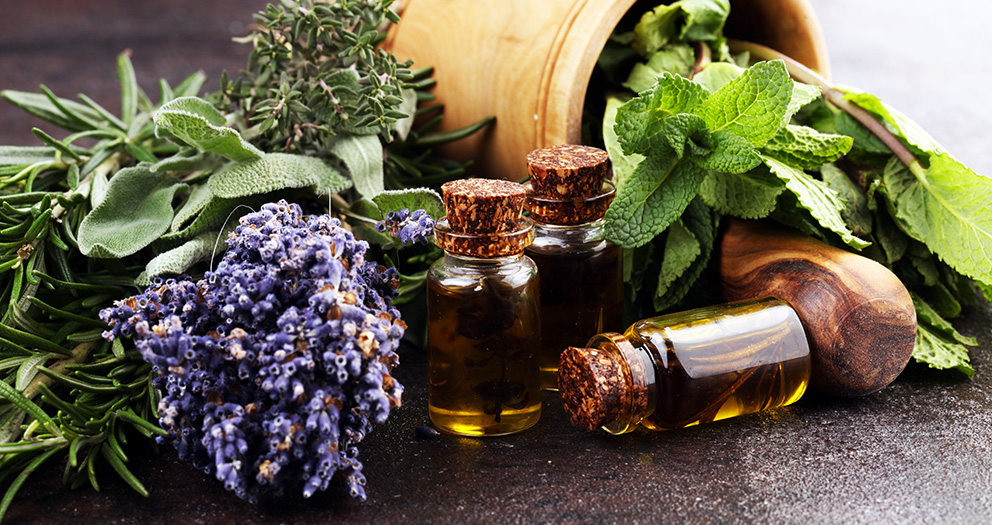
Introduction to the Fascinating World of Fragrance Oils
Fragrance oils are powerful aromatic blends designed to provide pleasant and lasting scents in a wide variety of products and environments. These oils are commonly used in perfumes, candles, soaps, cosmetics, air fresheners, and many household products. Unlike pure essential oils that come directly from plants, fragrance oils are often carefully crafted mixtures of natural extracts and safe synthetic compounds. This combination allows manufacturers and artisans to create a wide range of unique scents that cannot always be found in nature. From floral and fruity to woody and spicy, fragrance oils offer nearly endless possibilities for scent creation and personal expression.
Understanding the Composition and Creation of Fragrance Oils
Fragrance oils are created through a detailed process that blends aromatic ingredients to produce a balanced and appealing scent profile. Professional perfumers, often called fragrance chemists, study the chemistry of scent to design fragrances that unfold over time. A fragrance typically contains top notes, middle notes, and base notes. Top notes are the first scents noticed when the fragrance is applied, usually light and fresh such as citrus or herbal tones. Middle notes develop after the top notes fade and often include floral or fruity aromas. Base notes are deeper and longer lasting, commonly including ingredients like vanilla, musk, sandalwood, or amber. By carefully combining these layers, fragrance oils can provide a long-lasting and evolving scent experience.
Historical Evolution of Fragrance Oils Across Different Cultures
The use of fragrant substances dates back thousands of years. Ancient civilizations such as the Egyptians, Greeks, and Romans used aromatic oils for religious ceremonies, beauty rituals, and medicinal practices. In ancient Egypt, fragrant oils were used during embalming and spiritual offerings. The Greeks expanded the use of scented oils in bathing and personal grooming, while the Romans popularized perfumes and scented baths throughout their empire. Over time, advances in chemistry and technology allowed perfumers to create more complex fragrance oils, leading to the diverse range of scents available today.
The Difference Between Essential Oils and Fragrance Oils
One of the most common points of confusion is the difference between essential oils and fragrance oils. Essential oils are natural plant extracts obtained through processes such as steam distillation or cold Custom fragrance oils pressing. They capture the natural aroma of flowers, leaves, fruits, or roots. Fragrance oils, on the other hand, are often blended in laboratories using both natural ingredients and synthetic aroma compounds. This blending allows fragrance oils to mimic natural scents or create entirely new ones. Fragrance oils are often more stable, longer lasting, and more versatile than essential oils, especially in products such as candles and soaps.
Popular Types of Fragrance Oil Scents and Their Appeal
Fragrance oils come in countless scent categories that appeal to different tastes and moods. Floral fragrances such as rose, jasmine, and lavender create a soft and romantic atmosphere. Fruity fragrances like apple, mango, and berry provide a fresh and energetic feel. Woody scents including cedarwood, sandalwood, and patchouli bring warmth and depth to a fragrance blend. Spicy aromas such as cinnamon, clove, and nutmeg evoke comfort and richness. Fresh and clean scents inspired by ocean breezes, rain, or cotton are also extremely popular because they provide a refreshing and calming sensation.
Fragrance Oils in Perfume and Personal Care Products
The perfume industry relies heavily on fragrance oils to create signature scents that define brands and personalities. Perfumes, body sprays, lotions, shampoos, and deodorants often use fragrance oils to provide pleasant aromas that last for hours. These oils are carefully tested to ensure they are safe for skin contact and maintain their scent quality over time. In personal care products, fragrance oils enhance the sensory experience of everyday routines, making activities like bathing or moisturizing more enjoyable.
The Role of Fragrance Oils in Candle Making
Candle making is one of the most popular uses for fragrance oils. When added to melted wax, fragrance oils infuse candles with captivating scents that are released as the candle burns. High-quality fragrance oils are specifically designed to perform well in wax and maintain their aroma even when exposed to heat. Candle makers often experiment with different fragrance combinations to create unique blends such as vanilla coffee, ocean breeze, or warm cinnamon spice.
|
eliott lawery
Guest
Mar 11, 2026
10:15 PM
|
Understanding how to write persuasively is crucial for making a strong impact on readers or listeners. Native Assignment Help offers clear guidance on this, helping students grasp the strategies that make arguments effective. One of the key approaches is using DAFOREST Techniques, which encourage writers to include tools like facts, opinions, emotive language, rhetorical questions, and statistics. Applying these techniques can make essays, speeches, and presentations more engaging, convincing, and memorable. By practicing this method, anyone can significantly improve their persuasive writing skills.
|
Post a Message
|
|
