Ahmed khan 2027
8 posts
Feb 08, 2026
2:30 AM

|
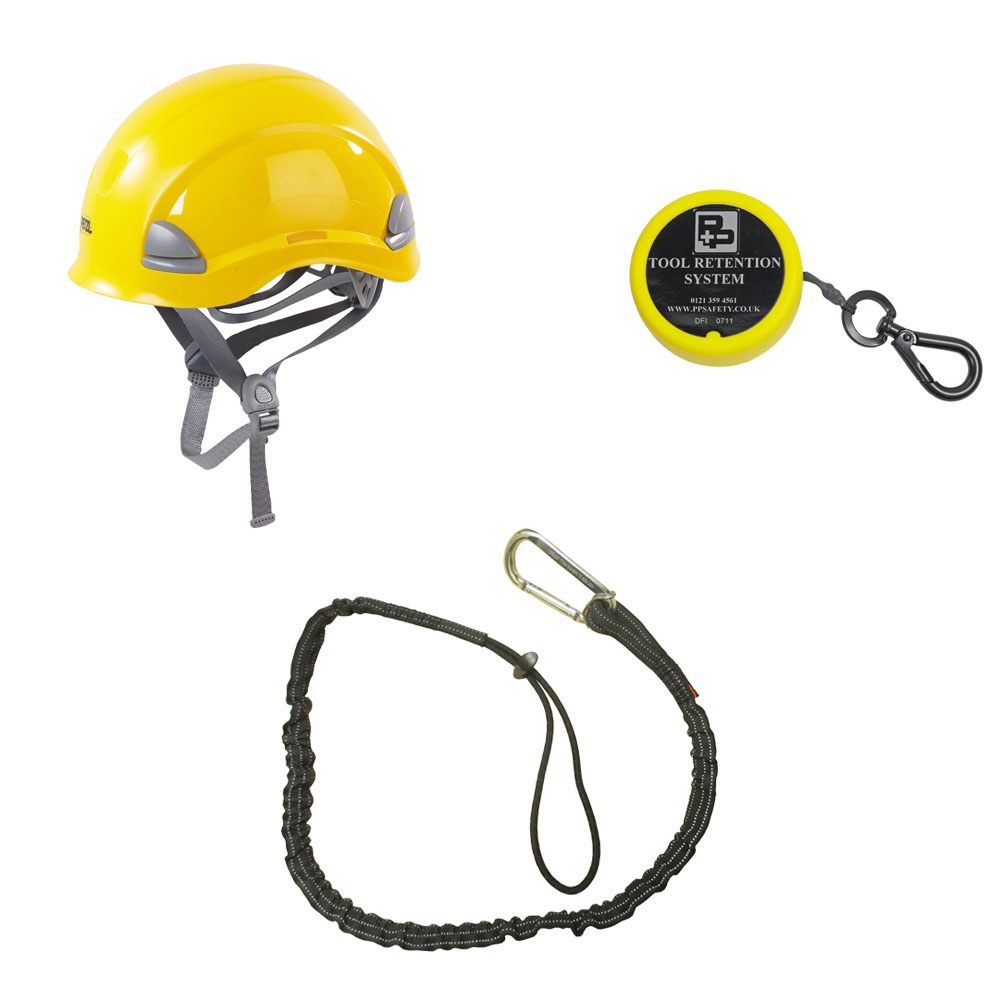
Understanding Height Safety Equipment and Its Importance in Workplace Safety
Height safety equipment refers to specialized tools and protective gear designed to prevent falls and injuries for workers operating at elevated heights. Industries such as construction, maintenance, telecommunications, wind energy, and warehousing rely heavily on this equipment to ensure the safety of personnel working on scaffolding, ladders, roofs, towers, and elevated platforms. The primary objective of height safety equipment is to provide fall protection, enhance stability, and minimize the risk of serious injury or fatality. With strict regulations and safety standards in place worldwide, the proper use of height safety equipment is not only a legal requirement but also a fundamental aspect of corporate responsibility and worker welfare.
Types of Height Safety Equipment and Their Applications
Height safety equipment comes in a variety of forms, each tailored to specific tasks and environments. Full-body harnesses are one of the most essential components, designed to distribute fall forces evenly across the body and reduce the risk of injury. Lanyards and shock absorbers connect the harness to anchor points, controlling the speed and impact of a fall. Safety helmets and ANCHOR SLINGS & STRAPS helmets with chin straps protect the head from falling objects and impact during a fall. Anchors, anchor kits, and fall arrest systems provide secure attachment points, ensuring that workers remain safely tethered while performing their tasks. Other critical equipment includes guardrails, safety nets, rope access systems, and mobile fall protection solutions that allow flexibility and mobility while maintaining safety standards. Each piece of equipment serves a distinct purpose, and proper selection and use are vital for effective fall protection.
The Role of Inspection, Maintenance, and Compliance in Height Safety Equipment
Regular inspection and maintenance of height safety equipment are crucial for ensuring effectiveness and longevity. Manufacturers provide guidelines for routine checks, including examining harnesses, lanyards, ropes, and connectors for wear, fraying, or damage. Equipment that does not meet safety standards must be immediately replaced to prevent accidents. Compliance with national and international safety regulations is another critical aspect. Standards such as OSHA, ANSI, and EN define the performance, testing, and certification requirements for height safety equipment. Organizations are responsible for training employees in proper use, storage, and inspection practices to comply with these regulations, reduce liability, and promote a culture of safety within the workplace.
Training and Worker Education for Effective Height Safety
Proper training is an integral component of height safety programs. Workers must understand how to correctly use harnesses, lanyards, anchor points, and other equipment to ensure maximum protection. Training programs often include fall hazard awareness, risk assessment, emergency procedures, and hands-on practice with safety gear. Competent instructors demonstrate the correct techniques for securing equipment, adjusting harnesses, and performing rescue operations. Worker education empowers employees to identify potential hazards, make informed decisions while working at height, and respond appropriately in emergency situations. A well-trained workforce reduces the likelihood of accidents, enhances overall safety, and promotes a proactive approach to risk management.
Advancements in Height Safety Technology and Innovation
Recent advancements in height safety equipment have significantly improved worker protection and operational efficiency. Lightweight yet durable materials, ergonomic designs, and smart safety systems enhance comfort and reduce fatigue, allowing workers to focus on their tasks without distraction. Innovative technologies such as fall detection sensors, automated alert systems, and digital inspection tools provide real-time monitoring and data for improved safety management. Rope access and modular fall protection systems allow flexibility in complex environments, enabling workers to access challenging locations without compromising safety. Continuous innovation ensures that height safety equipment keeps pace with evolving workplace demands and enhances protection across diverse industries.
The Benefits of Implementing Comprehensive Height Safety Programs
Implementing a comprehensive height safety program provides multiple benefits beyond regulatory compliance. It reduces workplace accidents, prevents costly injuries, and minimizes downtime due to incidents. A strong safety culture improves employee morale and retention, as workers feel valued and protected. Organizations also benefit from enhanced reputation and credibility, particularly in industries where safety performance is closely monitored by clients, insurers, and regulatory bodies. By investing in quality height safety equipment, proper training, and consistent monitoring, companies create a safer work environment, optimize operational efficiency, and demonstrate a commitment to responsible business practices.
Selecting the Right Height Safety Equipment for Specific Tasks and Industries
Choosing the right height safety equipment depends on the specific work environment, the height and nature of the tasks, and applicable regulatory requirements. Factors to consider include load capacity, durability, ease of use, compatibility with other safety systems, and comfort for the worker. Risk assessment plays a critical role in determining the necessary protective measures and ensuring that equipment selection addresses all potential hazards. Collaboration with certified safety professionals and reputable manufacturers ensures that organizations invest in reliable, tested, and compliant equipment that provides maximum protection while supporting efficient workflow.
Conclusion: The Critical Role of Height Safety Equipment in Protecting Workers and Ensuring Operational Excellence
Height safety equipment is essential for protecting workers, preventing accidents, and maintaining operational efficiency in industries where work at height is unavoidable. From full-body harnesses and lanyards to advanced fall arrest systems and safety nets, each component plays a vital role in reducing risk and safeguarding human life. Proper inspection, maintenance, compliance, and training ensure that equipment performs effectively, while technological advancements continue to improve safety standards. By prioritizing height safety, organizations not only comply with regulations but also cultivate a culture of care, responsibility, and professionalism. Investing in comprehensive height safety programs and equipment is therefore not only a legal necessity but a strategic choice that enhances workforce protection, operational success, and long-term organizational growth.
|
