|
|
|
Forum >
How a Solar Contractor Ensures Electrical Safety a
How a Solar Contractor Ensures Electrical Safety a
Please sign up and join us. It's open and free.
Page:
1
sehogi6860
583 posts
Jan 20, 2026
8:00 AM

|
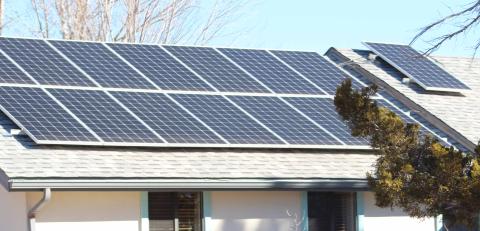
As the world moves toward cleaner and more sustainable energy sources, solar power has emerged as one of the most practical and accessible solutions. At the heart of this transformation is the solar contractor—a specialized professional responsible for designing, installing, and maintaining solar energy systems for residential, commercial, and industrial clients.
What Is a Solar Contractor?
A solar contractor is a licensed professional or company that specializes in photovoltaic (PV) systems and solar energy solutions. Their work goes beyond simply placing solar panels on a roof. Solar contractors manage the entire lifecycle of a solar project, from initial consultation and system design to permitting, installation, inspection, and ongoing maintenance.
Key Responsibilities of a Solar Contractor
Solar contractors perform several critical functions to ensure a successful solar installation:
Site Assessment and Feasibility Analysis
They evaluate roof condition, sun exposure, shading, electrical systems, and energy consumption to determine whether a property is suitable for solar power.
inverters
System Design and Engineering
Based on the assessment, the contractor designs a customized solar system that maximizes energy production while meeting local codes and client needs.
Permits and Compliance
Solar contractors handle permits, utility interconnection agreements, and inspections, ensuring the system complies with local, state, and national regulations.
Installation and Integration
This includes mounting panels, installing inverters, wiring the system, and integrating it with the existing electrical infrastructure.
Maintenance and Repairs
Many contractors offer ongoing monitoring, cleaning, troubleshooting, and repairs to maintain optimal system performance.
Why Hiring a Professional Solar Contractor Matters
Solar installations involve electrical work, structural considerations, and regulatory compliance. A qualified solar contractor ensures safety, efficiency, and long-term reliability. Poor installation can reduce energy output, void warranties, or even create fire hazards. Professional contractors also help clients take advantage of incentives such as tax credits, rebates, and net metering programs.
Benefits of Working With a Solar Contractor
Expert Guidance: Contractors provide clear explanations of system options, costs, and expected savings.
Cost Efficiency: Proper system sizing and design maximize return on investment.
Quality Assurance: Licensed contractors use certified equipment and follow industry best practices.
Long-Term Support: Ongoing service ensures the system continues to perform for decades.
The Growing Demand for Solar Contractors
With rising electricity costs and increased awareness of climate change, demand for solar energy continues to grow. Solar contractors play a vital role in accelerating the adoption of renewable energy, creating jobs, and reducing carbon emissions. Their expertise helps individuals and businesses transition to cleaner power with confidence.
Conclusion
A solar contractor is more than an installer—they are a trusted partner in the journey toward sustainable energy. By combining technical knowledge, regulatory expertise, and practical experience, solar contractors make renewable energy accessible, reliable, and cost-effective. As solar power becomes an essential part of modern infrastructure, the role of the solar contractor will only continue to expand.
|
123win88
Guest
Jun 11, 2026
9:38 PM
|
Appreciate it for this post, I am a big big fan of this internet site would like to continue updated. 123win88
|
g2g168p
Guest
Jun 11, 2026
9:41 PM
|
Thanks for a wonderful share. Your article has proved your hard work and experience you have got in this field. g2g168p
|
Post a Message
|
|
