sehogi6860
539 posts
Dec 29, 2025
9:23 AM

|
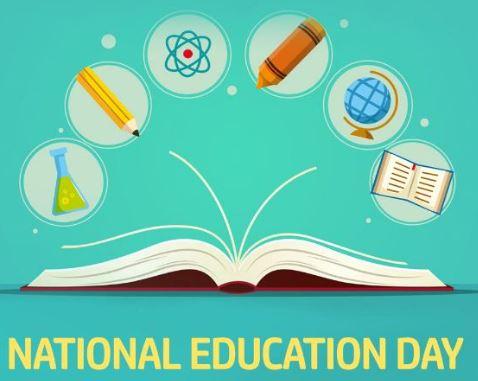
Education is a powerful tool that shapes individuals and communities, driving progress, fostering innovation, and breaking down barriers. It is not only the key to personal growth but also an essential pillar for societal development. From the moment we stararning to the day we finish school (and beyond), education influences the way we think, live, and engage with the world around us.
The Role of Education in Personal Growth
At its core, education is about knowledge acquisition, but it goes far beyond textbooks. It nurtures critical thinking, creativity, and emotional intelligence. For an individual, education provides the foundation to understand the world, solve problems, and make informed decisions. It helps develop a sense of identity, and it’s a crucial step toward building self-confidence and self-reliance.
Through education, people gain more than just academic skills. They learn to navigate relationships, manage stress, and communicate effectively. These soft skills are indispensable in today’s complex and fast-paced world. Furthermore, education encourages lifelong learning, making it easier for individuals to adapt to new circumstances and grow continuously, both personally and professionally.
Education as a Catalyst for Societal Change
Beyond individual development, education has the power to bring about large-scale societal changes. It’s often said that education is the great equalizer because it provides everyone, regardless of their background, with the opportunity to improve their lives. This is particularly important in combating social inequality. By providing equal access to quality education, we can help reduce poverty, increase economic mobility, and promote social justice.
Countries with high literacy rates and well-developed education systems tend to have stronger economies, healthier populations, and greater political stability. This is because an educated population is more likely to make informed decisions about public policies, engage in the workforce effectively, and contribute to social cohesion.
The Global Challenges in Education
Despite its potential, education worldwide faces many challenges. For example, millions of children in developing countries still do not have access to basic education, often due to factors like poverty, gender inequality, and lack of infrastructure. Even in developed nations, disparities in education quality persist, witmore helph certain groups (such as those from low-income backgrounds or rural areas) facing barriers to success.
Moreover, the modern world is constantly changing. Technological advancements, globalization, and shifting economic demands require education systems to evolve. Yet, many school systems struggle to keep pace. There is an urgent need to focus on digital literacy, critical thinking, and problem-solving skills, while also ensuring that students are prepared for an increasingly interconnected world.
The Future of Education: Innovation and Inclusivity
As we look toward the future, education must adapt to the challenges of tomorrow. The rise of technology, such as artificial intelligence, virtual reality, and online learning platforms, has already begun to reshape how we learn. These tools offer new opportunities for personalized education, allowing students to learn at their own pace and according to their unique needs.
Moreover, there is a growing recognition that education must be inclusive, welcoming students from all walks of life, including those with disabilities, marginalized communities, and refugees. Inclusivity in education not only promotes equality but also fosters a diverse and creative learning environment.
Conclusion: The Path Forward
Education is more than just a means to an end—it is the very engine that drives human progress. It transforms individuals, communities, and societies as a whole, enabling us to solve global challenges and build a better future. However, for education to truly reach its potential, we must ensure that it is accessible, inclusive, and adaptable to the needs of a rapidly changing world.
As we continue to shape the future of education, it is essential that we recognize its transformative power and work collectively to make it a right that is available to all, regardless of geographic location, economic status, or social background. In doing so, we will be empowering the next generation to create a more just, innovative, and sustainable world.
|
