sehogi6860
483 posts
Dec 09, 2025
4:28 AM

|
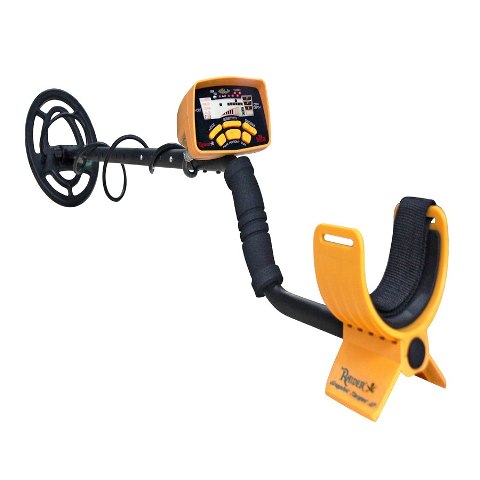
Gold detectors have fascinated treasure hunters, hobbyists, and professionals for decades. These devices, also known as metal detectors, are specially designed to locate gold nuggets and other precious metals buried underground. Unlike standard metal detectors, gold detectors are optimized to detect small particles of gold, even in challenging environments like mineral-rich soils and rocky terrains. Understanding how these devices work and their practical applications can help both beginners and seasoned prospectors make the most of their search for gold.
How Gold Detectors Work
Gold detectors operate on the principle of electromagnetic induction. When the detector’s coil is swept over the ground, it generates an electromagnetic field. If this field encounters a conductive metal object, such as a gold nugget, the metal responds by producing its own electromagnetic field. The detector senses this response and alerts the user, typically through audio signals or visual indicators on a display.
Modern gold detectors come with advanced features to improve accuracy and efficiency. These include adjustable sensitivity settings to target different sizes of gold, discrimination modes to filter out unwanted metals like iron, and ground balance technology to reduce false signals caused by mineralized soil. Some high-end models even incorporate digital screens and GPS mapping to help users track previously searched areas.
Applications of Gold Detectors
Gold detectors are not only tools for hobbyists searching for small nuggets but are also essential in professional mining and geological exploration. Prospectors use them to identify promising locations for mining operations, while geologists may employ them to study mineral deposits and understand the composition of a specific area. In addition, gold detectors are popular among outdoor enthusiasts who enjoy the thrill of treasure hunting in rivers, deserts, and forests.
Tips for Effective Gold Detection
Research Locations: Areas with historical gold findings or geological formations conducive to gold deposits are ideal starting points.
Choose the Right Detecto gold detectorr: Different detectors excel in various environments; for instance, some are designed for all-terrain use, while others are optimized for sandy or highly mineralized soils.
Proper Technique: Sweeping the detector slowly and maintaining a consistent height above the ground increases the likelihood of detecting small nuggets.
Practice Patience: Finding gold often requires time and persistence. Experienced prospectors emphasize the importance of patience and methodical searching.
Conclusion
Gold detectors combine science, technology, and adventure, allowing users to uncover one of the most sought-after natural resources in the world. Whether for professional use in mining and exploration or for recreational treasure hunting, these devices provide an exciting way to connect with nature and history. With advancements in technology, modern gold detectors are more precise, versatile, and user-friendly than ever before, making the pursuit of gold both accessible and rewarding.
|
