blazingmike15
92 posts
Nov 03, 2025
7:37 AM

|
Driveway edging is an essential aspect of landscaping that not only enhances the visual appeal of your property but also provides structural support to prevent the spread of gravel, asphalt, or concrete. Steel edging, in particular, has gained popularity due to its durability, sleek look, and long-lasting performance. However, securing steel edging properly is crucial to ensure it remains functional and aesthetically pleasing over time. Here are some practical tips on how to achieve secure driveway edging with steel.
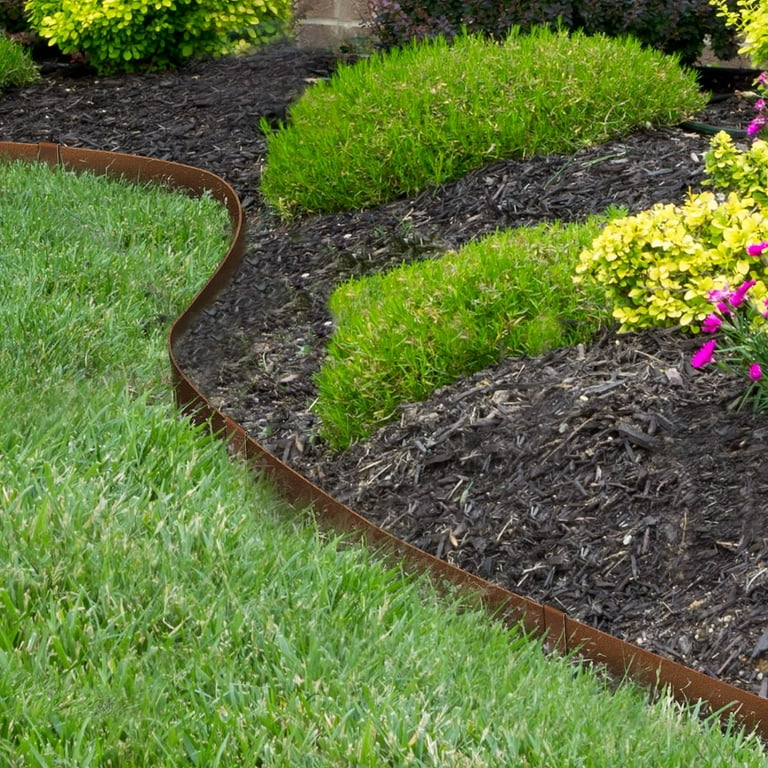
1. Choose the Right Type of Steel Edging
Steel driveway edging comes in various forms, including corten steel, galvanized steel, and stainless steel.
Corten steel develops a protective rust layer over time, offering a rustic, low-maintenance finish.
Galvanized steel resists corrosion and is ideal for areas exposed to moisture.
Stainless steel provides a modern, polished look and exceptional longevity.
Selecting the right type based on your local climate and driveway material will reduce maintenance and increase durability.
2. Plan Your Layout Carefully
Before installation, measure your driveway and mark the intended path using string or spray paint. This step ensures that your steel edging will be straight and correctly aligned. Curved driveways driveway edging may require flexible steel edging or custom bending to maintain a clean finish.
3. Prepare a Solid Base
A stable foundation is key to preventing steel edging from shifting. Excavate a shallow trench along the driveway’s edge, roughly 3–4 inches deep, depending on the height of the edging. Fill the trench with a compacted layer of gravel or crushed stone to create a solid base for the steel to rest on.
4. Secure the Edging Properly
Steel edging can be anchored using spikes, stakes, or brackets designed for landscaping applications. For maximum stability:
Use heavy-duty steel spikes every 12–18 inches.
Drive them into the gravel base, ensuring they are flush with the steel to avoid tripping hazards.
For high-traffic areas, consider welding brackets or using concrete anchors for extra reinforcement.
5. Maintain Alignment During Installation
As you install the edging, continuously check for straightness and height consistency. A small misalignment can become very noticeable over time. Using a level and string line will help keep your steel perfectly aligned with the driveway surface.
6. Backfill and Compact
Once the steel is secured, backfill the trench with soil or gravel, and compact it tightly against the edging. This not only stabilizes the steel but also prevents soil erosion and maintains a clean boundary between your driveway and landscape.
7. Consider Expansion and Contraction
Steel can expand or contract with temperature changes. Allow a small gap between sections if installing long runs to accommodate thermal movement. This precaution prevents warping or buckling over time.
8. Regular Inspection and Maintenance
Steel driveway edging is low-maintenance, but occasional inspection is necessary. Check for loose spikes, shifting sections, or corrosion (especially if using non-galvanized steel). Prompt repairs will prolong the lifespan of your edging.
|
