zaidkhatri02
48 posts
Oct 14, 2025
5:11 AM

|
Website design is more than simply arranging text and images on a screen—it's the art and strategy of creating a digital space that reflects a brand's identity while serving the wants of its audience. A well-designed website acts as a digital storefront, portfolio, or hub of information, leaving the initial and often most lasting impression on visitors. From layout and color schemes to navigation and functionality, every detail plays a role in showcasing credibility, professionalism, and personality.
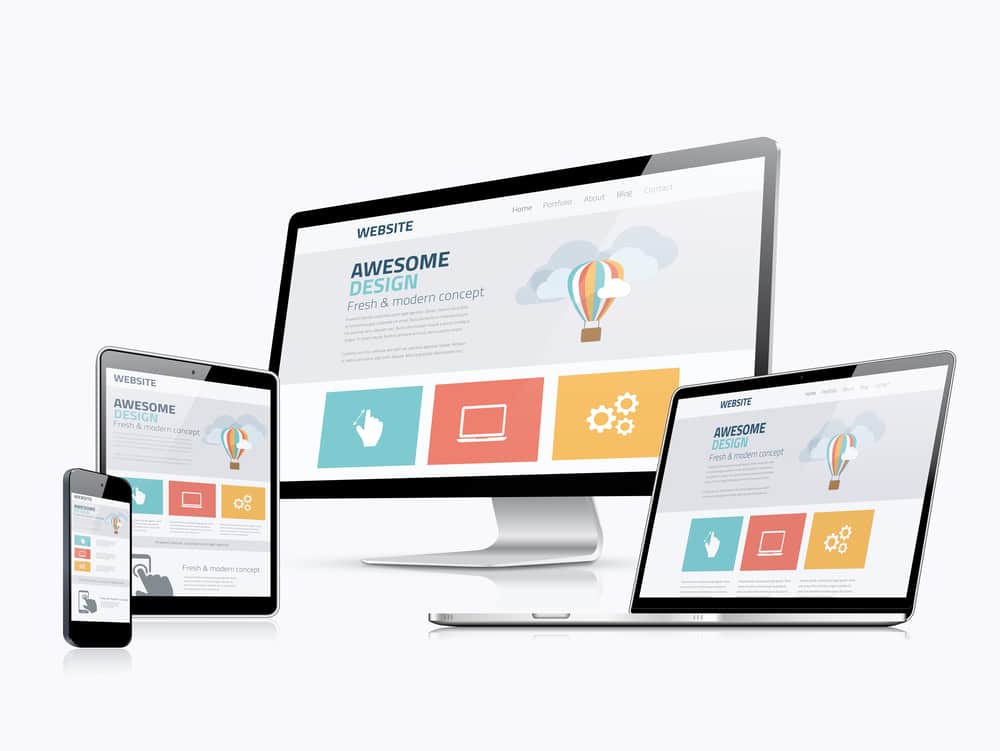
One of the very fundamental facets of website design is user experience, often referred to as UX. A successfully appealing site loses its impact if users struggle to find what they want or navigate the pages. Effective UX design centers on simplicity, intuitive navigation menus, and well-organized content. Features like responsive layouts, readable typography, and strategic call-to-action buttons encourage visitors to explore, engage, and convert—whether the goal is just a purchase, newsletter signup, or contact form submission.
Equally important is responsive design, which ensures a web site looks and functions properly across various devices and screen sizes. With a substantial portion of web traffic originating from mobile users, websites must adapt seamlessly to phones, tablets, and desktops. This calls for flexible layouts, scalable images, and optimized loading speeds, all of which donate to user satisfaction. Websites that perform poorly on cellular devices risk losing potential customers and ranking lower in search engine results.
Visual elements such as for example images, colors, icons, and typography also play a massive role in website design. These elements interact to convey mood diseño de paginas web cdmx, reinforce branding, and guide the eye. Consistency is key—using similar styles and tones throughout pages creates cohesion and strengthens brand identity. Designers often follow grid systems or spacing guidelines to create visual balance and prevent clutter. When done right, visuals enhance readability and engagement as opposed to distracting from core content.
Ultimately, good website design is a blend of aesthetics, usability, and functionality. It involves understanding user behavior, embracing new technologies, and constantly adapting to trends. Whether the point is business growth, creative expression, or information sharing, a thoughtfully designed website becomes a strong tool that connects creators with their audience. As digital competition grows, investing in quality website design isn't optional—it's needed for creating an impactful and lasting online presence.
|
