|
Embroidery is one of the oldest and most beautiful forms of decorative art, combining technical precision with artistic expression. Over time, it has evolved from hand-stitched patterns to advanced digital techniques that blend craftsmanship with technology. At the heart of this evolution lies 2D design — the essential foundation that transforms an idea into a tangible embroidered masterpiece. In the field of embroidery, 2D design serves as both the creative vision and the technical guide, ensuring that each stitch tells a story of artistry and precision.
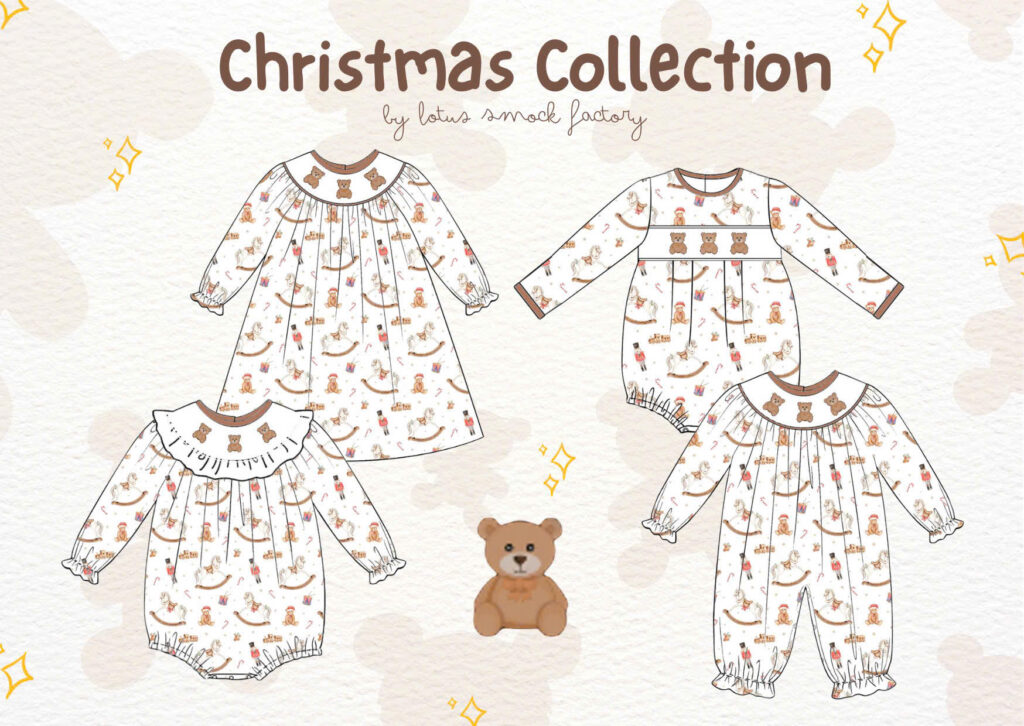
See Article Details At: 2D Design
What Is 2D Design in Embroidery?
In embroidery, 2D design refers to the creation of flat, two-dimensional artwork that serves as a visual plan for the final embroidered product. It defines the shapes, outlines, and color schemes that will later be translated into thread. Whether drawn by hand or produced using computer software, 2D design acts as the blueprint that guides every aspect of the embroidery process.
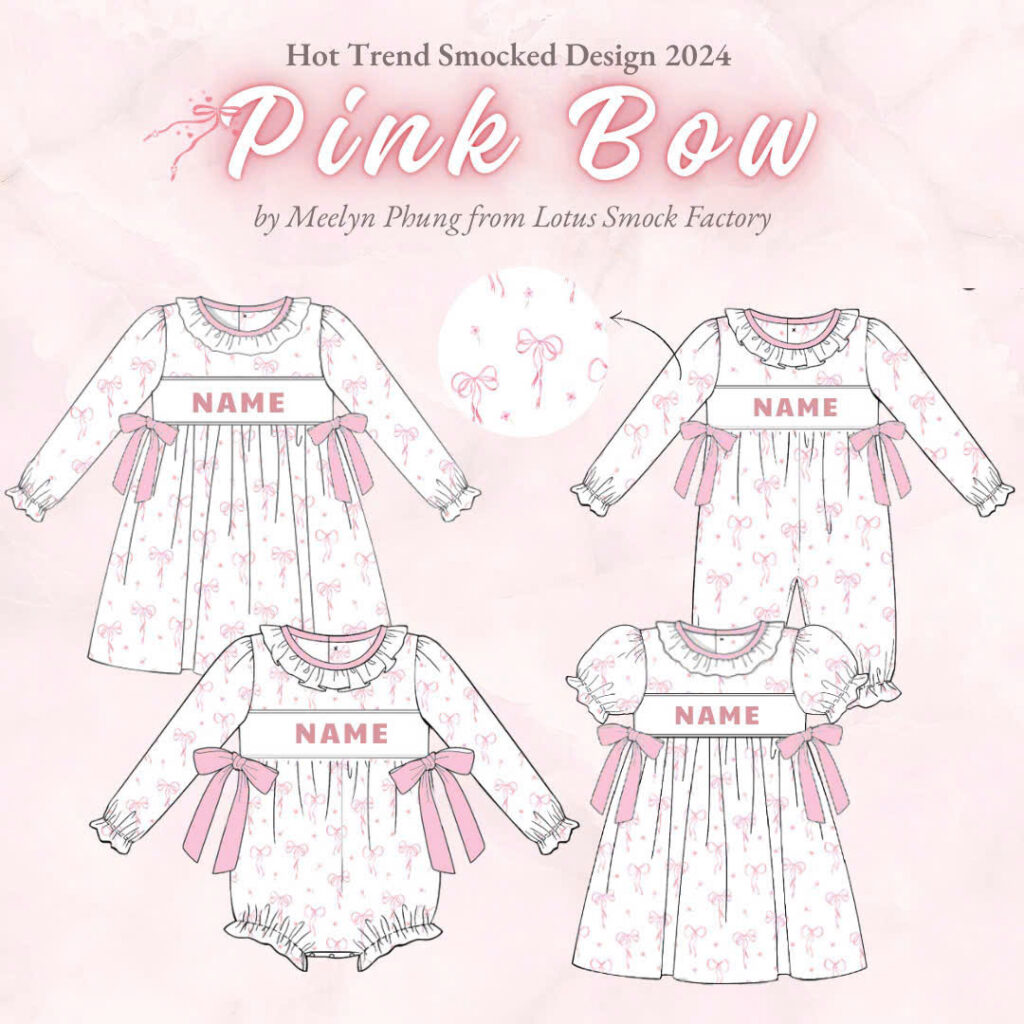
Before a single stitch is made, embroiderers rely on these 2D visuals to determine how patterns will appear on the fabric. The design dictates the stitch direction, density, and layering of colors. This process ensures that the final embroidered piece achieves perfect balance between creativity and craftsmanship.
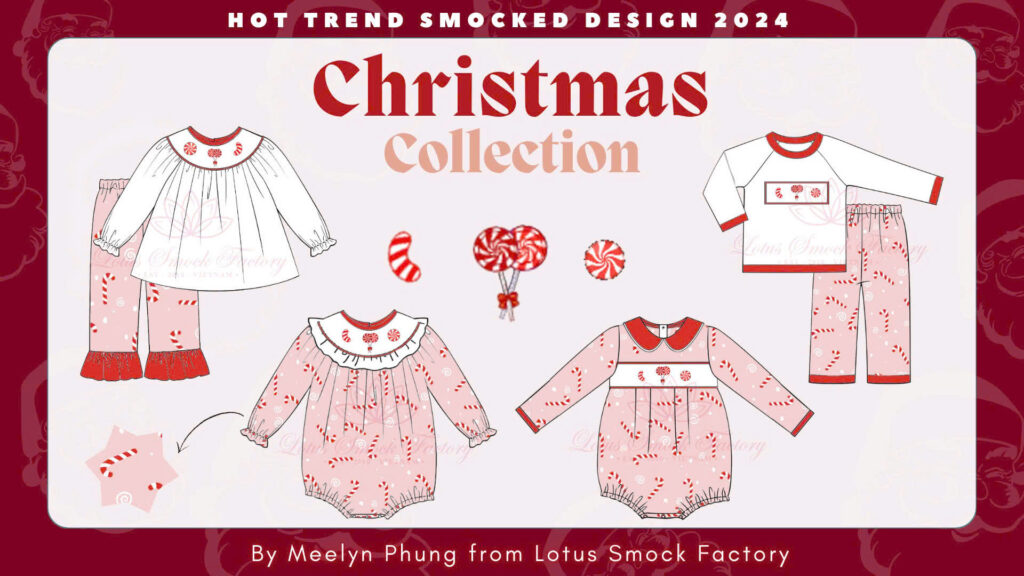
The Importance of 2D Design in Embroidery
2D design plays a crucial role in bridging the gap between artistic imagination and technical execution. It allows designers to experiment, refine, and perfect their ideas before they are stitched onto fabric. In the modern embroidery industry, where precision is everything, this stage ensures efficiency and accuracy.
See More At: 2D Design in Embroidery: The Creative Blueprint Behind Every Stitch
Without a well-developed 2D design, embroidery work could easily lose its intended symmetry, proportion, or visual impact. Designers use it to test various color palettes, adjust layouts, and visualize how the final design will interact with the texture of the chosen fabric. In essence, 2D design is the language through which embroidery speaks artfully and consistently.
From Sketch to Stitch: The Design Process
The process of creating an embroidered artwork begins long before the first needle touches fabric. Here’s how 2D design shapes that journey:
Concept Creation
Every embroidery project starts with an idea — a floral motif, a company logo, a cultural pattern, or a modern graphic. The concept is first expressed in a 2D drawing or digital illustration. This stage captures the creative intent behind the piece.
Digital Conversion
Once the 2D artwork is ready, it is digitized using embroidery software such as Wilcom, CorelDRAW, or Adobe Illustrator. This step converts the design into data that embroidery machines can read, specifying where each stitch will be placed and how threads will overlap.
Color and Texture Planning
The designer then assigns thread colors and defines stitch types — satin, fill, or running stitches — to achieve different textures and effects. The 2D format allows them to preview how light, shadow, and movement will affect the final embroidered look.
Testing and Adjustments
Before full production, a test embroidery is made based on the 2D file. This ensures that every detail — from color alignment to stitch density — matches the designer’s vision.
Through these steps, 2D design transforms creativity into structure and imagination into precision.
Tools and Techniques for 2D Embroidery Design
Modern embroidery designers use advanced software tools to bring their ideas to life. Programs such as Wilcom Embroidery Studio, Brother PE-Design, or Hatch Embroidery allow for the creation of detailed 2D patterns that simulate how stitches will appear on fabric. These tools let designers zoom in on every element, adjust thread paths, and preview the outcome with near-perfect accuracy.
In traditional hand embroidery, 2D design still plays an essential role. Artisans draw their motifs directly onto the fabric or transfer them from tracing paper, ensuring that each pattern follows precise proportions. Even without digital assistance, the underlying principle remains the same — a strong 2D layout ensures a beautiful final result.
Benefits of 2D Design in Embroidery
The introduction of 2D design techniques has revolutionized embroidery, offering several key benefits:
Accuracy and Consistency: Designs can be replicated perfectly across multiple products without losing detail.
Creative Freedom: Designers can experiment with endless variations before committing to the final piece.
Time Efficiency: Previsualizing designs reduces the risk of mistakes and minimizes waste.
Enhanced Collaboration: Digital 2D files make it easier for designers, clients, and production teams to communicate ideas clearly.
Versatility: 2D design adapts to different embroidery applications, from fashion and home decor to corporate branding and art.
Through 2D design, embroidery achieves both artistic flexibility and industrial precision.
The Artistic Impact of 2D Design
Beyond its technical importance, 2D design enhances the artistic dimension of embroidery. It gives designers a space to experiment with symmetry, contrast, and pattern composition. Every embroidered motif — from a delicate floral vine to a bold geometric logo — begins as a 2D concept that captures the artist’s vision.
In many cultures, embroidery reflects identity and tradition. The 2D designs behind these works preserve cultural stories and motifs while allowing for creative reinterpretation. By combining heritage with modern design tools, embroidery artists ensure that traditional beauty continues to evolve in new and exciting ways.
The Future of 2D Design in Embroidery
As technology advances, 2D design in embroidery continues to grow more sophisticated. Artificial intelligence and 3D simulation tools now allow designers to predict fabric behavior and thread texture more accurately than ever before. Yet, no matter how advanced technology becomes, the essence of 2D design remains the same — a perfect balance between art and precision.
Conclusion
From ancient needlework to modern machine embroidery, one thing remains constant: every beautiful embroidery begins with a thoughtful 2D design — the blueprint where art and craft meet in perfect harmony.
Lotus Smock stands as Vietnam’s top wholesale smocked clothing manufacturer, offering beautifully handcrafted smocked dresses, kidswear, and bespoke fashion. At Lotus Smock, every design reflects the elegance of premium fabrics and the artistry of traditional Vietnamese techniques.
#2D_Design, #2DDesign, #Lotus_Smock, #LotusSmock, #Lotus_Smock
|

